Garden Steps in Brighton & East Sussex

Safe, comfortable steps that work with your garden

Garden Steps

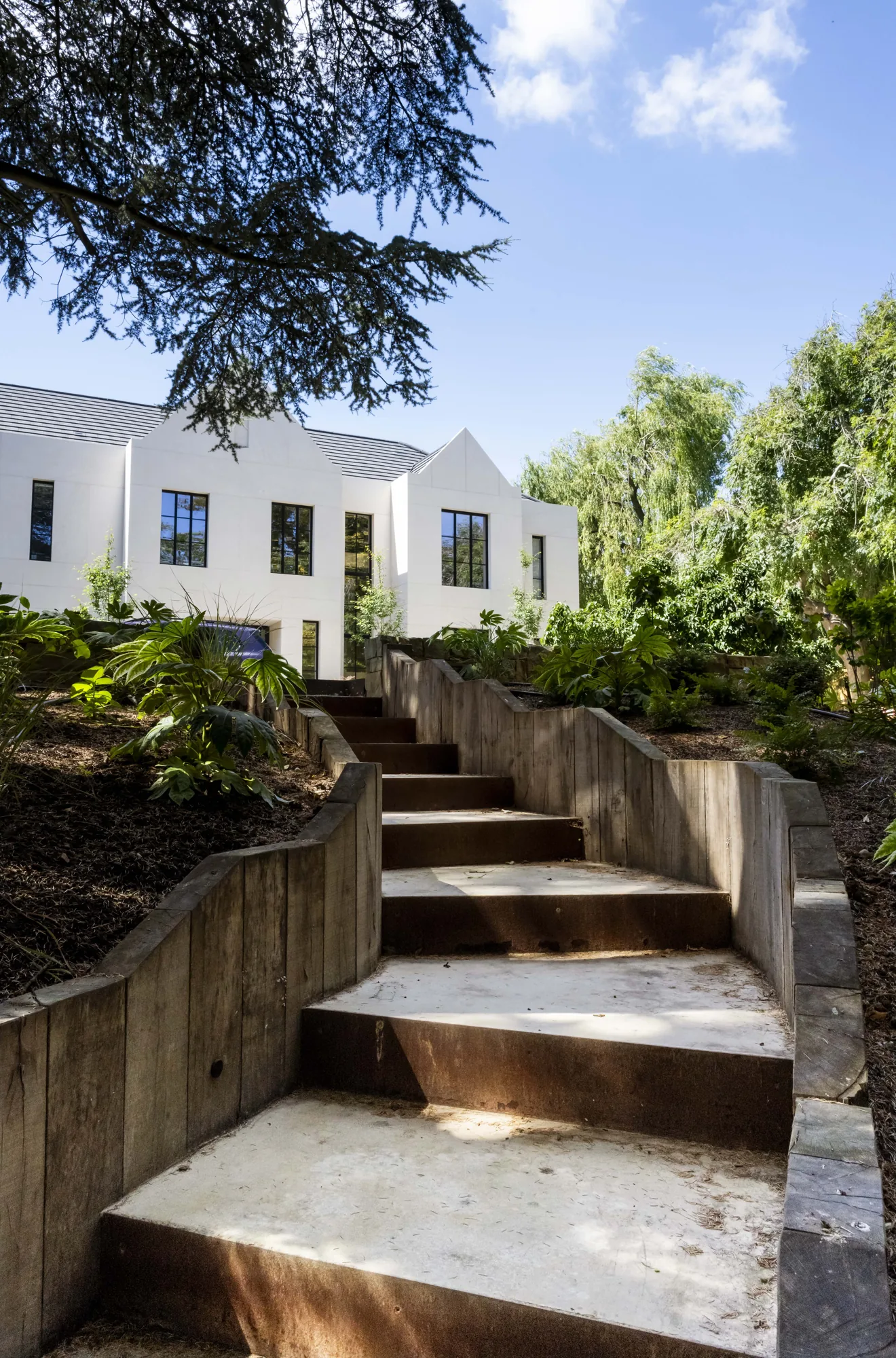
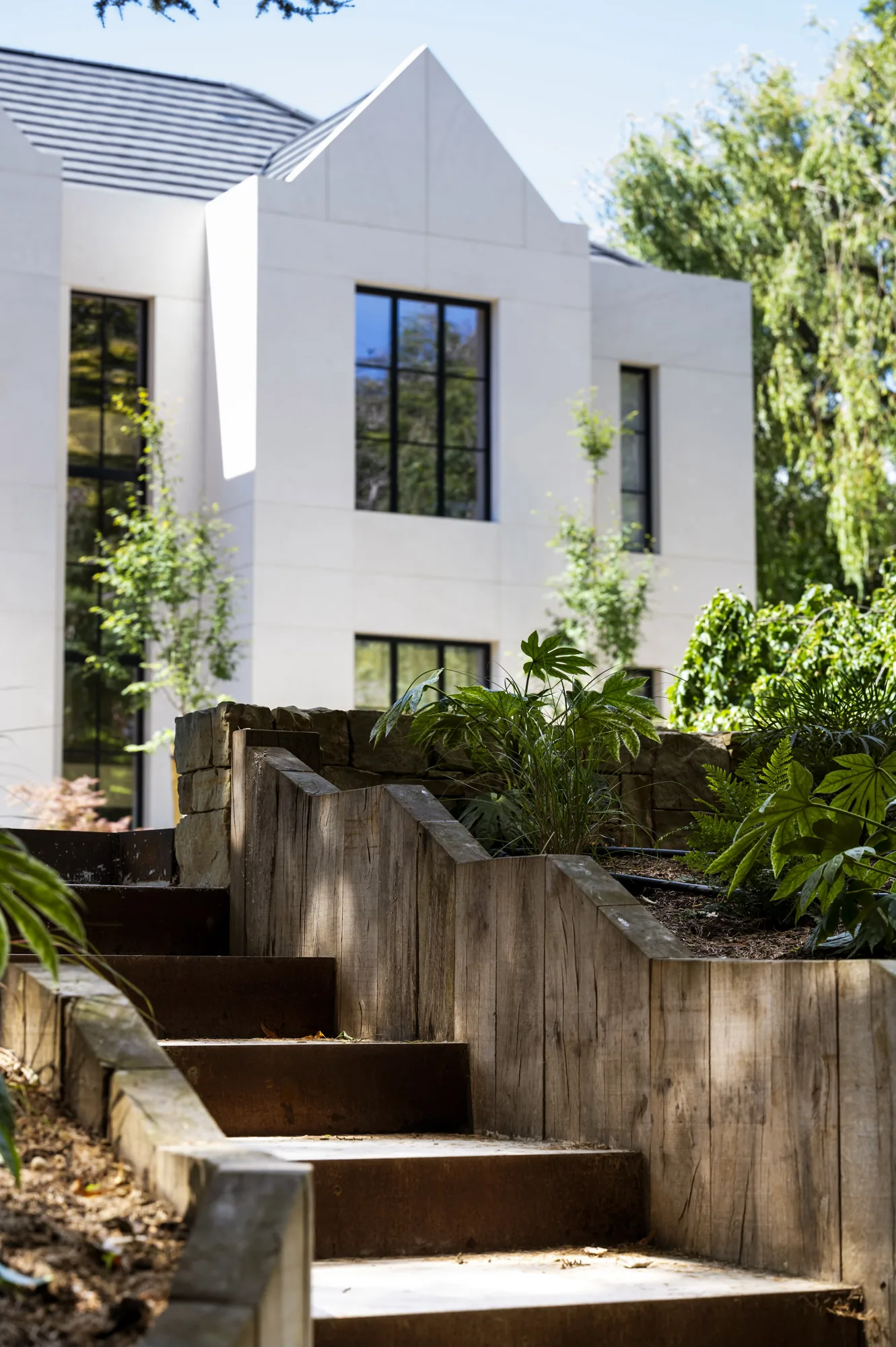
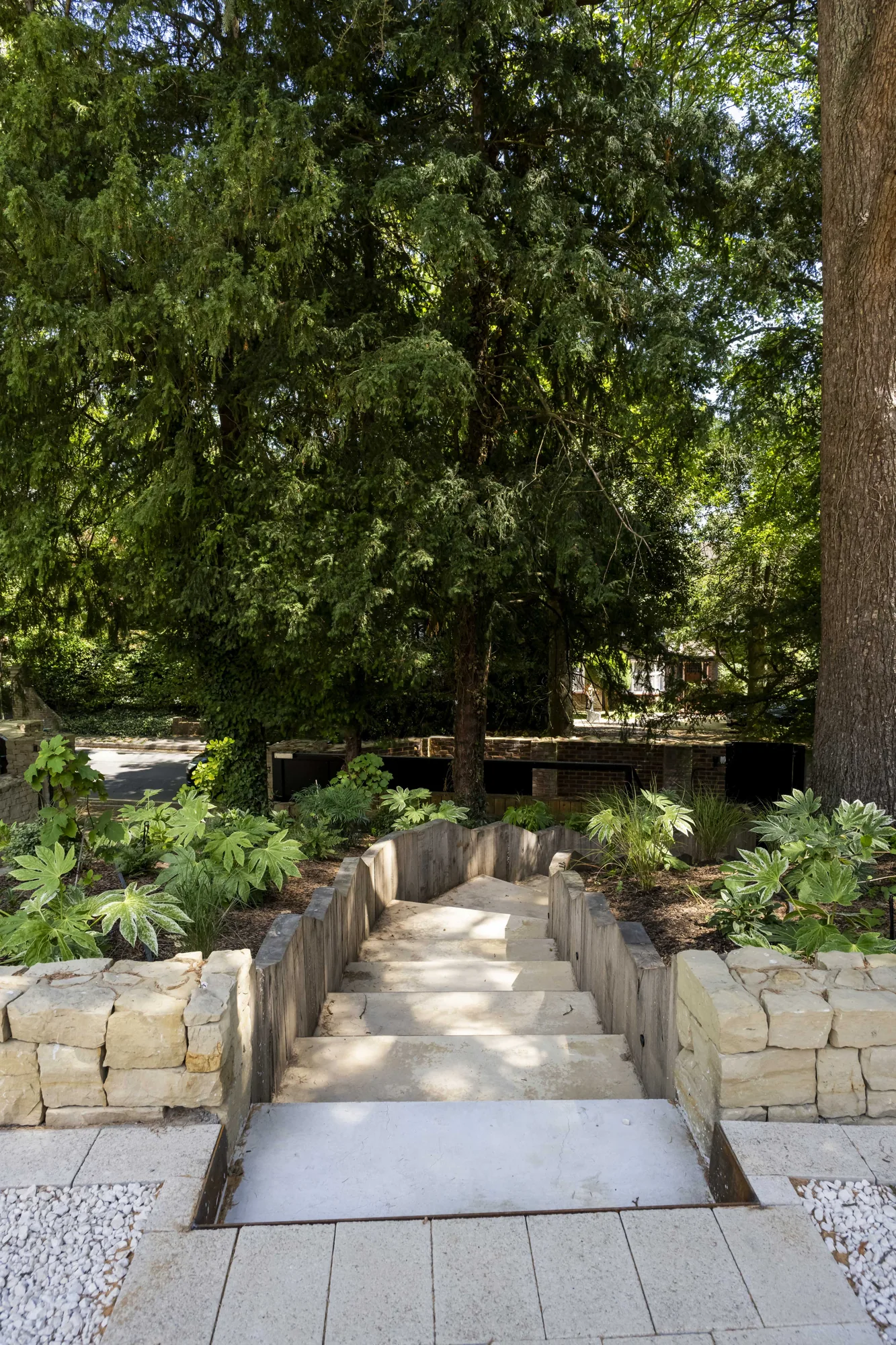
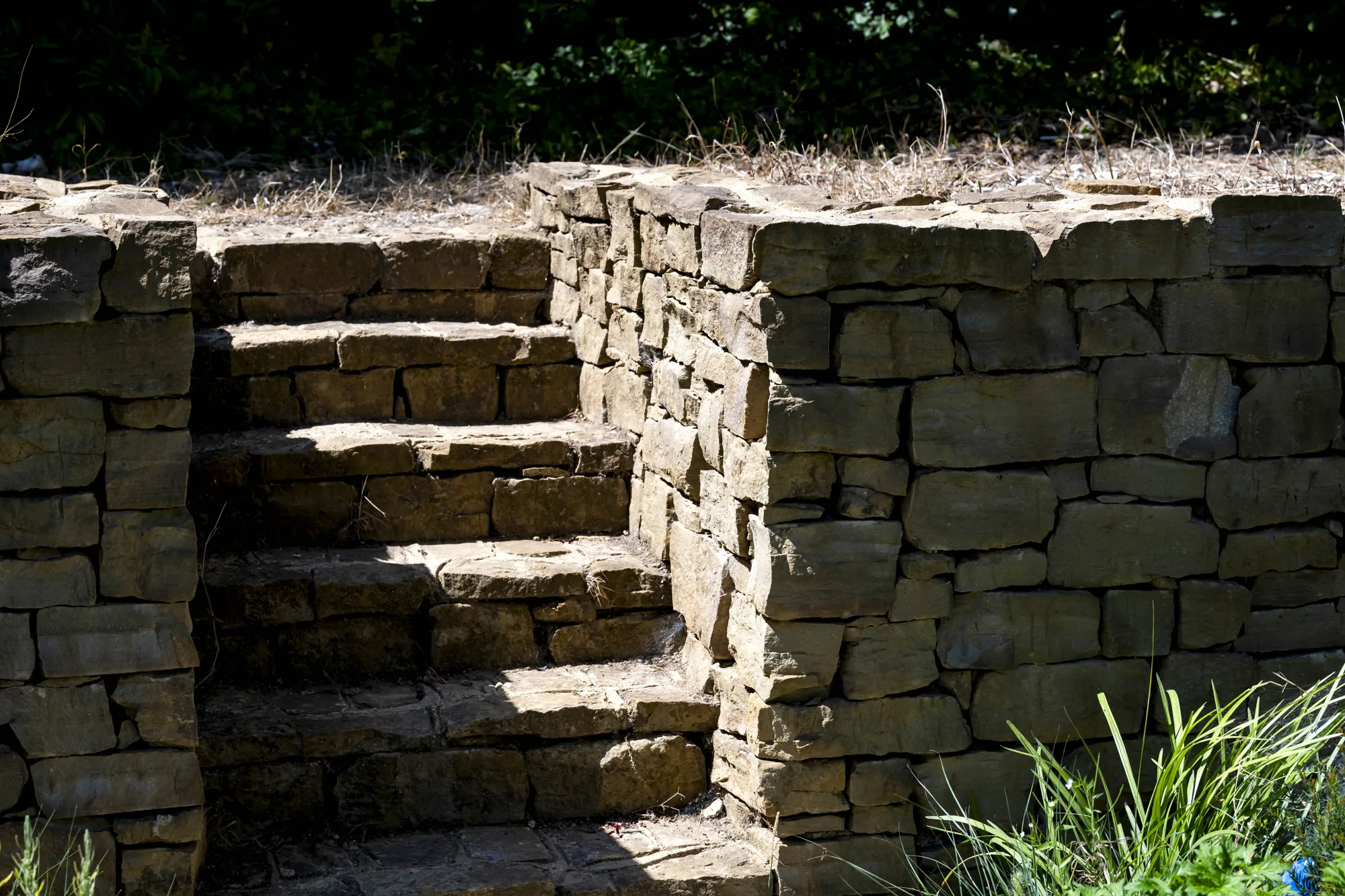
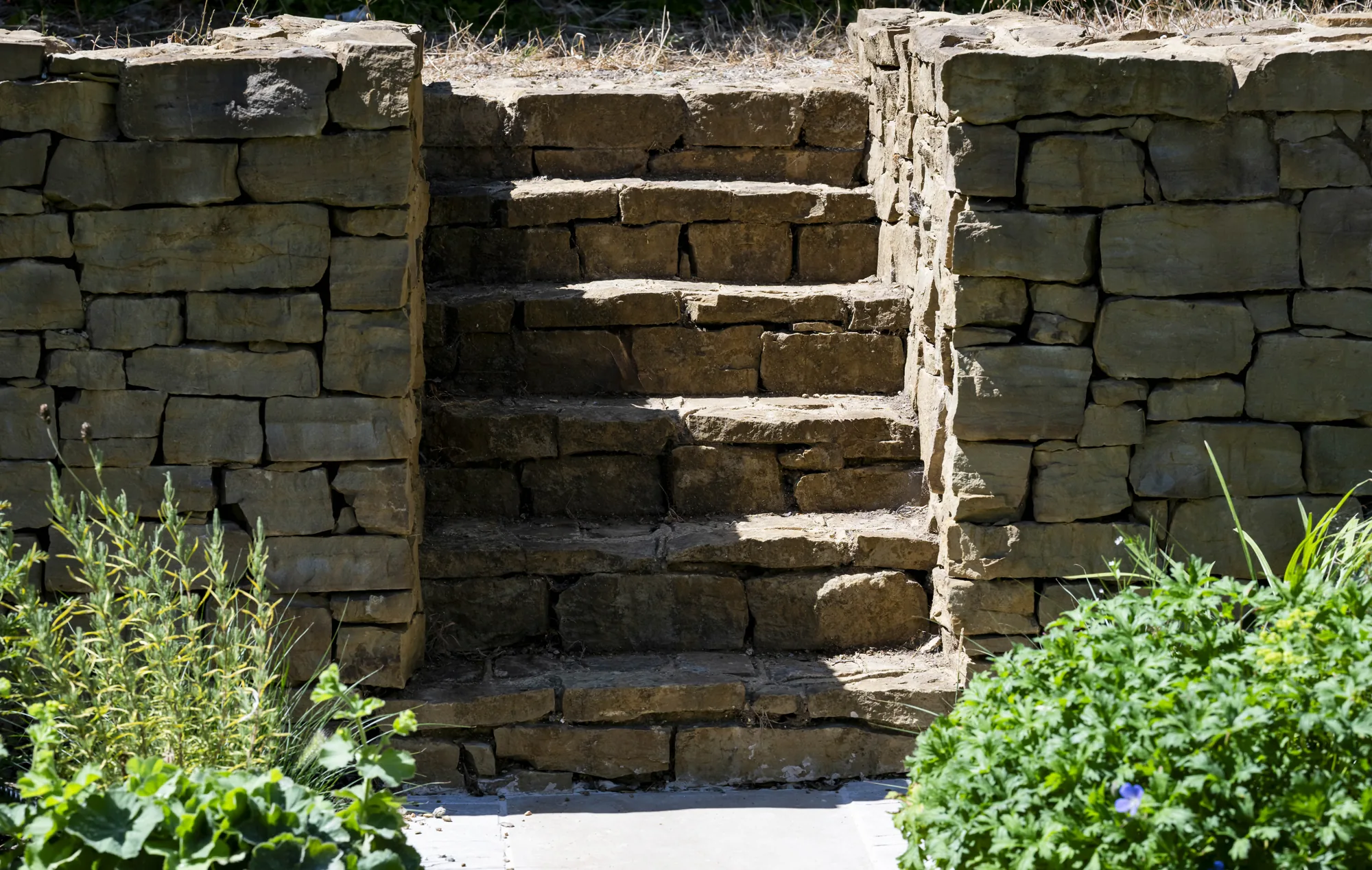
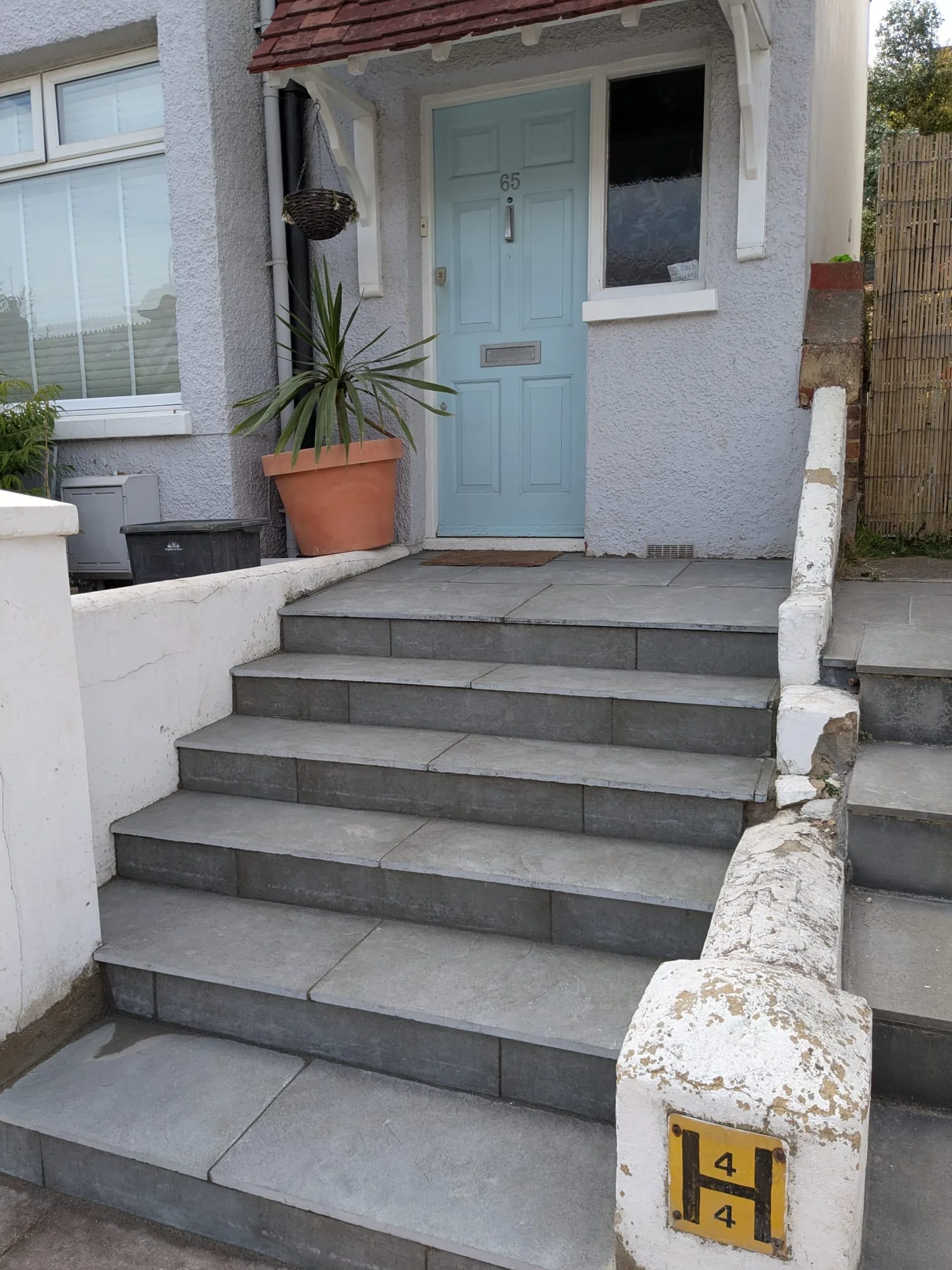
Builds by James builds garden steps across Brighton and East Sussex, typically from around £1,500. Steps can be constructed and finished in brick, natural stone, porcelain, concrete, blockwork or timber, and are often key to making a sloping garden easier and safer to use, whether on their own or combined with paths, walls and terracing.

Well-built garden steps do more than link two levels. They make a garden safer and easier to use, and when they are designed properly they become a natural part of the space rather than an afterthought. We build steps across Brighton and East Sussex to suit the garden, the surrounding materials and the way you move through it.

Steps can be constructed and finished using brick, natural stone, porcelain, concrete, blockwork or timber. We help you choose an option that complements your patio, property and budget, so the finished steps feel like they belong with everything around them.

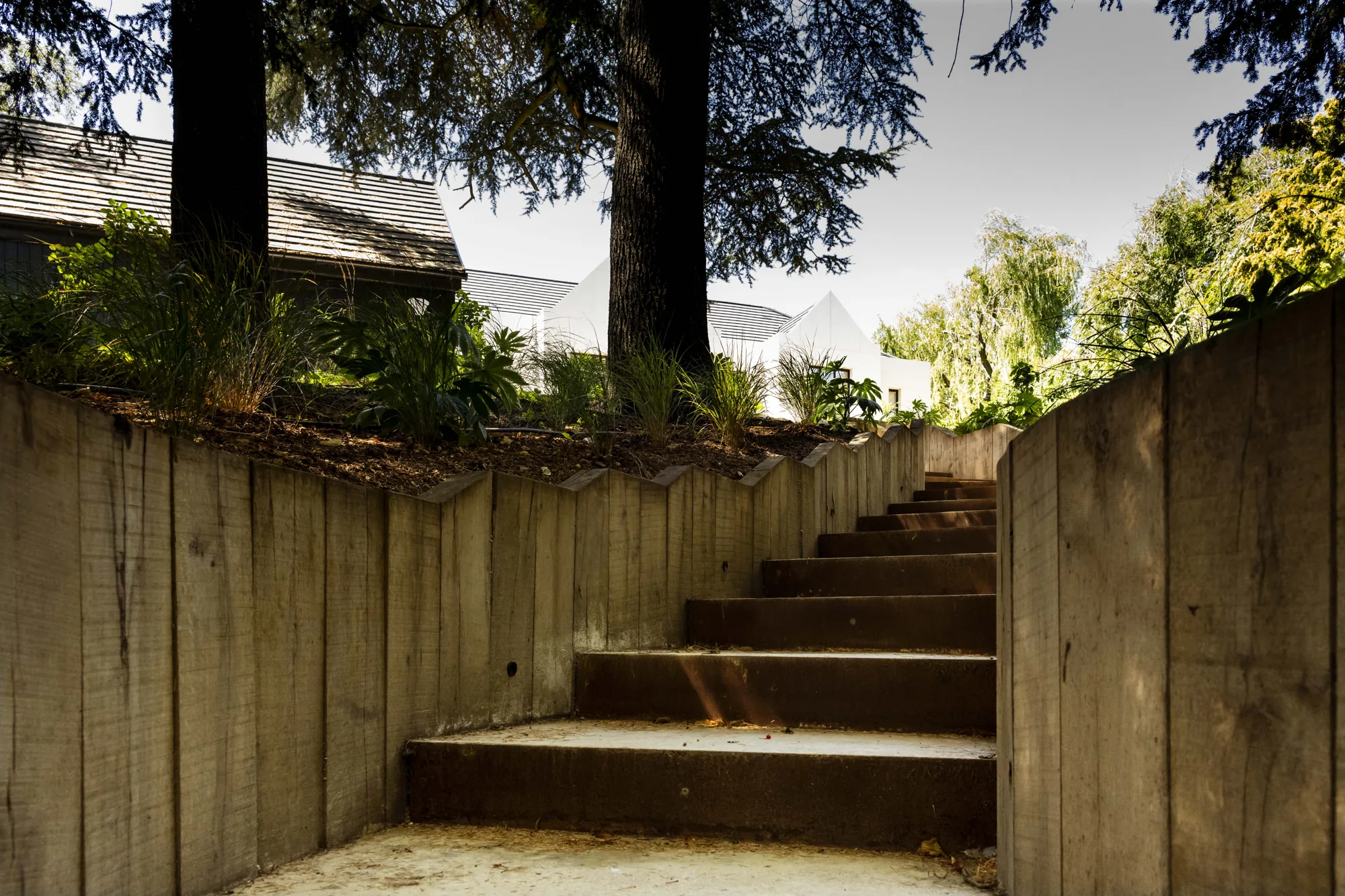
Sloping and split-level gardens benefit most from good steps. Combined with paths, retaining walls and terracing, they create a practical route through changing levels and open up parts of a garden that were previously awkward to reach.

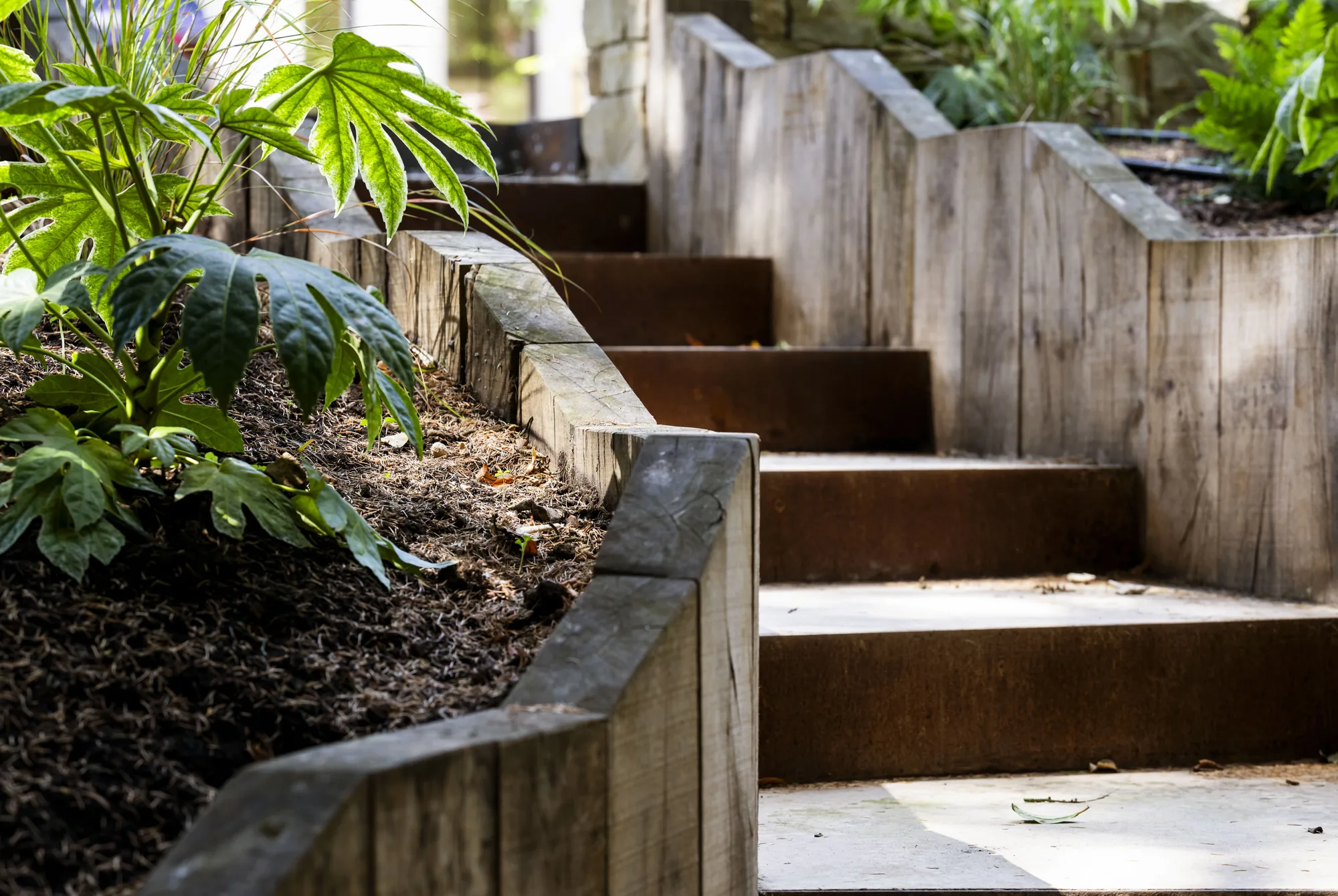
Before setting out, we measure the overall change in height and the available space so the risers stay consistent and the treads are comfortable underfoot. Existing steps that are damaged, uncomfortable or poorly positioned can be removed and replaced with something built to last.

PRICE GUIDE £1,500 – £10,000+
Includes Supply & build
Quotes Free, no obligation
BOOKING Free site visit
Coverage Brighton & East Sussex
Finishes Brick, stone, timber

Frequently Asked Questions

Garden Steps Questions

What areas do you cover?

We are based in the Brighton area and work with homeowners across Brighton, Hove and the surrounding parts of East Sussex, including Lewes, Peacehaven, Seaford, Burgess Hill, Haywards Heath, Shoreham-by-Sea, Worthing and beyond. If you are not sure whether we cover your area, just get in touch and we will let you know.

How experienced is Builds by James?

Builds by James is run by James Church, a local builder and landscaper with 20 years of experience in the construction industry. James is personally involved in every project, from the first enquiry and quotation through to the work on site and the final handover.

Are you accredited?

Yes. We are proud members of the Federation of Master Builders and are TrustMark registered, giving customers additional reassurance when choosing Builds by James for their project.

Do you provide free quotes?

Yes. We provide free, no-obligation quotations. We take the time to understand what you want to achieve, assess the site and explain the practical options before providing a clear, detailed quote.

How do your projects work from start to finish?

After the first conversation we arrange a site visit to understand the project and prepare a detailed quotation. Once the work is agreed, James stays personally involved throughout, keeping you informed, maintaining a tidy site and making sure everything is properly constructed before final handover.

Are you a limited company?

Yes. Builds by James Ltd is a limited company registered in England and Wales (company number 16517521), giving customers the reassurance of dealing with a properly established business.

What makes Builds by James different?

We focus on quality workmanship, good communication and treating our clients and their homes with respect. We believe a successful project is not only about how the finished work looks, but also about the experience the client has while it is being built.

How much does it cost to landscape a garden?

Every garden is different, but our landscaping projects typically start from around £5,000. The final cost depends on the size of the garden, access, ground conditions, materials and the amount of construction required. Larger garden transformations involving patios, walls, steps and changes in level can cost considerably more.

Can you complete the whole garden rather than just one part?

Yes. Complete garden transformations are exactly the type of projects we enjoy. We can combine patios, paving, walls, steps, paths, lawns, sleeper work, fencing and drainage to create a complete finished garden.

Do I need a garden designer before contacting you?

No. If you already have professional plans, we’re happy to work from them. If not, we can discuss what you want to achieve and the practical construction options available for the space.

How long does a garden transformation take?

This depends on the size and complexity of the project. Smaller landscaping projects may take a couple of weeks, while larger transformations can take several weeks or longer. We’ll discuss the expected programme with you before work begins.

Can you landscape a sloping or difficult garden?

Yes. Sloping and awkward gardens can often be transformed using retaining walls, steps, terracing and carefully planned changes in level.

Do I need planning permission to landscape my garden?

Most normal garden landscaping does not require planning permission, but some projects involving significant changes in levels, raised areas, structures, boundaries or listed properties may require permission. We recommend checking with your local planning authority where necessary.

Can you deal with drainage as part of the landscaping?

Yes. Drainage and water movement are important considerations, particularly when installing new hard landscaping or changing existing garden levels. Where required, drainage can be incorporated into the project.

How much does a new patio cost?

The cost depends on the size of the patio, paving material, access, ground conditions, excavation, drainage and complexity of the design. Our patio projects typically start from around £3,000, and we provide a detailed quotation once we’ve assessed what is required.

Which is better for a patio – porcelain or natural stone?

Both can produce excellent patios but offer different finishes. Porcelain provides a consistent, contemporary appearance and is relatively low maintenance, while natural stone has more variation and character. We can help you choose a material that works with your property, garden and budget.

How long does it take to install a patio?

This depends on the size, access, excavation requirements and complexity of the paving. Smaller patios may take around a week, while larger or more involved projects can take several weeks. We’ll give you an expected timescale before work begins.

Can you replace my existing patio?

Yes. We can remove an existing patio and prepare the area correctly before installing the new paving. We will also assess the existing ground, levels and drainage rather than simply laying new paving over a poor base.

Does a new patio need drainage?

Correct drainage is an important part of patio construction. The paving needs suitable falls to manage rainwater, and some gardens may also require additional drainage depending on the levels, ground conditions and surrounding property.

Can you lay paving over an existing patio?

In most cases we prefer to assess what is underneath the existing paving first. A new patio is only as good as the base supporting it, so laying directly over an existing patio isn’t always the best long-term solution.

Do I need planning permission for a new patio?

Most patios at or near ground level do not normally require planning permission. However, different rules can apply to front gardens, listed properties and projects involving significant changes in levels or raised areas. If you’re unsure, we recommend checking with your local planning authority.

What preparation goes underneath a patio?

Correct preparation is one of the most important parts of the installation. Depending on the site, this can include excavation, preparing and compacting the sub-base, establishing the correct levels and falls, and creating the appropriate laying bed for the chosen paving

How much do garden steps cost?

Our garden step projects typically start from around £1,500. The final cost depends on the number of steps, construction method, materials, access, excavation, changes in level and whether retaining walls or other landscaping are required.

What materials can garden steps be made from?

Garden steps can be constructed and finished using materials including brick, natural stone, porcelain, concrete, blockwork and timber. We can recommend suitable options based on the style of the garden, surrounding materials and budget.

Can you build steps into a steep or sloping garden?

Yes. Garden steps are often an important part of making a sloping garden easier to use. They can be combined with paths, retaining walls and terracing to create a practical route through different levels of the garden.

Can you replace old or unsafe garden steps?

Yes. Existing steps can be removed and replaced where they are damaged, uncomfortable to use, poorly positioned or no longer suitable for the garden.

How do you work out the correct size for garden steps?

We measure the overall change in height and the available space before setting out the steps. This allows us to create consistent risers and comfortable treads that work with the surrounding garden levels.

Can garden steps match my existing patio?

Yes. Where suitable materials are available, steps can be designed using paving, brick or stone that complements the existing patio, property or surrounding landscaping.

Do garden steps need planning permission?

Garden steps do not normally require planning permission. However, permission or Building Regulations may become relevant in certain circumstances, particularly where steps form part of access to the house, a raised structure or a larger development.

What is the difference between a garden wall and a retaining wall?

A standard garden wall may be used to create a boundary, raised bed or decorative feature. A retaining wall has the additional job of holding back soil and supporting a change in ground level, so its construction and drainage require additional consideration.

What materials can you use for garden walls?

We can construct walls using materials including brick, blockwork, natural stone and timber sleepers. The most appropriate material depends on what the wall needs to do as well as the appearance you want to achieve.

Can you build retaining walls in a sloping garden?

Yes. Retaining walls can be used to make sloping gardens more practical by creating terraces and usable level areas. They can also be incorporated alongside steps, paths and patios as part of a larger garden transformation.

Why is drainage important behind a retaining wall?

Water building up behind a retaining wall can create considerable additional pressure. Appropriate drainage is therefore an important part of retaining wall construction and is considered when we plan and build the wall.

Can you replace an old or failing retaining wall?

Yes. We can assess an existing wall and, where replacement is required, remove it and construct a suitable new retaining wall. We will consider why the existing wall has failed, including drainage and ground conditions, rather than simply replacing it like-for-like.

Do I need planning permission for a garden or retaining wall?

Many domestic garden walls can be constructed without planning permission. However, permission may be required depending on the height and location of the wall, particularly near a highway, or where a listed building, conservation area or other restrictions are involved. We recommend checking with the local planning authority where required.

Do I need a structural engineer for a retaining wall?

Not every garden retaining wall requires a structural engineer. However, for larger or more complex walls, significant changes in level or where the wall is supporting additional loads, an engineer may be required to provide an appropriate design. We are happy to construct the wall to an engineer’s specification where necessary.

What groundworks do you carry out?

We carry out ground preparation associated with landscaping and external construction, including excavation, sub-base preparation, foundations for garden structures, preparation for patios and paths, and drainage works.

Can you help with a waterlogged garden?

Potentially, yes. The first step is understanding why water is collecting. Depending on the cause, improvements may involve adjusting levels, installing suitable drainage or improving how surface water is managed.

What drainage can be installed in a garden?

The appropriate solution depends on the individual garden. Options can include drainage channels, land drains, soakaways and changes to surface levels and falls. We assess the site before recommending an approach.

Do patios and paved areas need drainage?

Yes, water management should always be considered when installing hard landscaping. Patios and paths need appropriate falls, and some projects may require additional drainage depending on the surrounding levels and ground conditions.

What is a soakaway?

A soakaway is designed to collect surface water and allow it to gradually disperse into suitable surrounding ground rather than sending the water directly into the drainage system. Whether a soakaway is appropriate depends on the ground conditions and available space.

Can you prepare the ground for a new patio or landscaping project?

Yes. Correct excavation and ground preparation form an important part of our landscaping work. We can prepare the appropriate sub-base and levels before constructing the finished patio, path, steps or other landscaping.

Do you remove the soil and waste created during excavation?

Yes. Where required, excavation and the removal of spoil can be included within the project and quotation.

Can you install drainage as part of a complete garden transformation?

Yes. This is often the best time to address drainage because we can consider it alongside the new garden levels, patios, paths, walls and other landscaping rather than treating it as an isolated problem.